Wood Splints
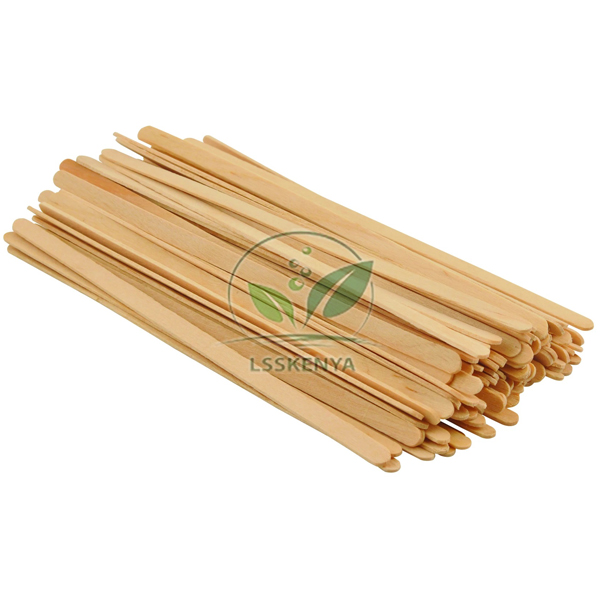
Product Code : LSK-CL-10088
Wood Splints are thin wooden sticks used in the chemistry lab for lighting burners and for gas tests. A splint lit and then blown out so it only glows is the standard test for oxygen, and a lighted splint is used to test for hydrogen.
Specifications of the Wood Splints
| Specification | Value |
|---|---|
| Material | Wood |
| Uses | Lighting burners; glowing splint test for oxygen |
| Supplied by | Science Lab Supplies, Ambala, India |
Gas Tests and Burner Lighting with Wood Splints
Keep a beaker of splints and a beaker of sand or water on each bench, so used splints can be put out safely. Hold the splint near its far end and work with the gas tube held upright or at a slight angle.
- Lighting a burner: light the splint first, hold it to the side of the barrel of a Bunsen Burner (Pack of Two), then turn on the gas.
- Oxygen test: collect oxygen from hydrogen peroxide with a manganese(IV) oxide catalyst in the Simple Gas Preparation Kit and push a glowing splint into the tube. It relights.
- Hydrogen test: hold a lighted splint at the mouth of a tube of hydrogen from a metal and dilute acid. It goes out with a squeaky pop.
Common error: using a lighted splint for oxygen or a glowing one for hydrogen. Students also often push the splint into the liquid and put it out.
Frequently Asked Questions
How do I carry out the glowing splint test?
Light the splint, let it burn for a moment, then blow out the flame so the tip only glows. Put the glowing tip into the tube of gas. If it bursts back into flame, the gas is oxygen.
Does a splint going out prove that the gas is carbon dioxide?
No. Many gases, such as nitrogen, put out a flame. Carbon dioxide is confirmed by bubbling it through limewater, which turns milky.
Why use a splint instead of a match to light a burner?
A splint is longer, so the hand stays farther from the gas outlet and the flame. It also burns long enough to light the burner without hurrying.
What should a buyer look for in the wood of a splint?
Dry, soft, straight-grained wood that lights quickly and keeps a steady glowing tip once the flame is blown out, as the oxygen test needs. Damp splints light poorly and smoke, so keep the packs closed in a dry cupboard.
Why do schools keep a large stock of splints?
Each test chars the end of a splint, and a whole class testing gases or lighting burners can use dozens in one lesson. A large stock, kept dry, means a practical never stops because the splints have run out.
Related Burners and Gas Apparatus
- Laboratory Spirit Burner: 100 ml metal-housed burner with a cotton wick and snuffer cap.
- Adjustable Bunsen Gas Burner with Control Valve (Set of 2): pair of gas burners with built-in control valves.
- Kipp's Apparatus, 250 ml: makes gases such as carbon dioxide and hydrogen from an acid and a solid without heating.
- Deflagrating Spoon: 35 cm spoon with a 75 mm cap for lowering chemicals into a gas jar.
- Test Paper Books: litmus, starch-iodide, lead acetate and cobalt chloride papers for gas and water tests.
The Chemistry Lab range holds burners and gas-preparation apparatus to use with the splints, and School Lab Equipments opens the other subjects.
Bundles of wood splints can go by export to Zambia, Rwanda, South Africa, Qatar, Sri Lanka and Vietnam, an order Science Lab Supplies can fill under its Importer-Exporter Code. Sending the enquiry cart with the splints in it, or a note from the contact page, is enough to request a quotation.
Last updated: 15 November 2026