Rabbit Dissection
Product Code : SCL-BLE-11711
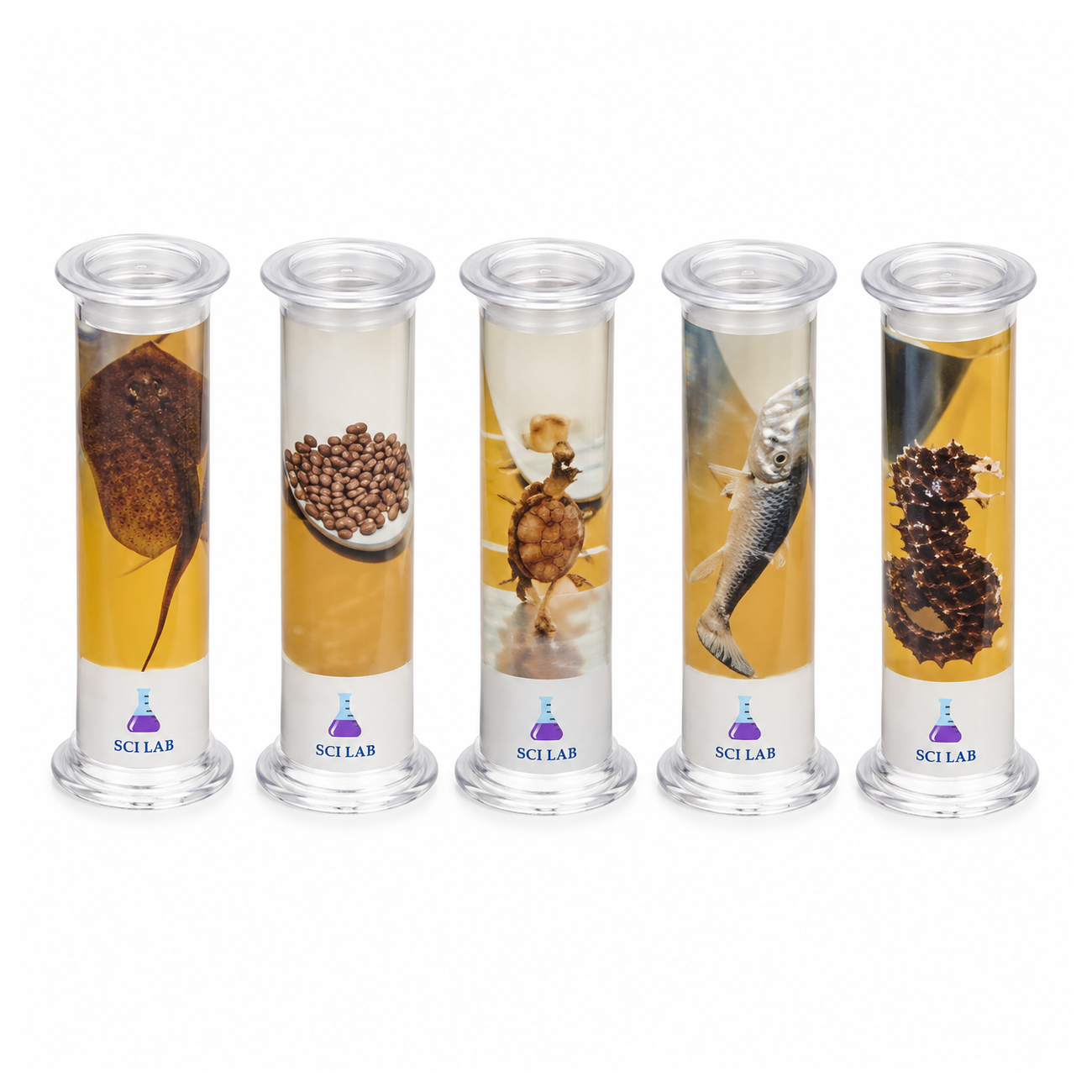
The Rabbit Dissection is a labelled sectional display of a juvenile European rabbit (Oryctolagus cuniculus), preserved in formalin and sealed in a 200 x 70 x 40 mm glass container. The unit stays closed: a biology class studies the digestive tract, heart and lungs through the glass, where the section shows them, so one jar serves many lessons with no cutting at the bench.
Specifications of the Rabbit Dissection
| Specification | Value |
|---|---|
| Specimen | European rabbit (Oryctolagus cuniculus), juvenile |
| Display | Labelled sectional anatomy; digestive tract, heart and lungs labelled where the section exposes them |
| Preservative | Formalin |
| Container | Sealed glass, 200 x 70 x 40 mm: a sealed preserved display, kept closed |
| Safety data sheet | Comes with the unit; lists the exact preservative, its concentration and the transport data |
| Supplied by | Science Lab Supplies, Ambala, India |
Mammal Anatomy Lessons with the Rabbit Dissection
Place the container on the front bench beside a numbered outline drawing of a mammal. Students find each labelled organ of the section, such as the gut, heart or lungs where shown, match it to a number on the drawing and explain its job in one line.
- Organ systems (Class 10 to B.Sc.): sort the organs on the outline drawing into digestive, breathing, circulation and excretory systems, and tick those that can be seen through the glass.
- Rabbit and human: compare a mammal outline drawing with the Human Anatomical Torso Model with Head and Removable Organs and list what differs in the gut of a plant-eater, such as the large caecum.
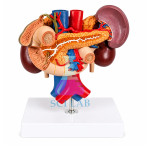
- Excretion: study the inner regions of the kidney on the Kidney Model, Approximately 3-4x Enlarged, a PVC model with removable parts, then mark where the kidneys lie on the outline drawing.
Keep the container sealed and upright, away from sunlight and heat, and handle it with both hands over the bench. It is never opened for display: formalin releases formaldehyde vapour, which harms the eyes, skin and lungs and is a recognised carcinogen. The jar arrives sealed and stays that way; file the safety data sheet that comes with it, listing the exact preservative, its strength and the transport data, in the specimen record.
Frequently Asked Questions
Does a sealed specimen suit classes where some students object to dissection?
Yes. The specimen is already dissected and sealed, so students view a real preserved animal without cutting or touching it. Many schools use display specimens so that the whole class can learn the anatomy while those who object take part.
What do formaldehyde rules mean for a school keeping this specimen?
Exposure comes mainly from vapour when formalin is open. While the glass stays sealed, little escapes. Schools usually store such specimens in a ventilated room, keep the safety data sheet supplied with the unit on file, since it names the exact preservative and its concentration, and have a spill plan ready.
Why is the rabbit's caecum so large?
Rabbits eat plants, and the big caecum holds bacteria that break down cellulose. It ends in the appendix. Rabbits then eat soft pellets formed in the caecum to absorb the nutrients released.
Which features mark the rabbit out as a mammal?
Mammals have a muscular diaphragm that separates the chest from the abdomen, fur, outer ear flaps and, in males, a scrotum outside the body. None of these features occurs in frogs, fish or lizards.
Why do rabbit incisors keep growing?
Rabbit incisors have open roots and grow throughout life, worn down by gnawing. A wide gap, the diastema, separates them from the cheek teeth, leaving room for the lips and tongue to move food.
Related Specimens and Anatomy Models
- Lizard Dissection: dissected lizard in formalin, sealed in a 200 x 70 x 40 mm glass container.
- Dissection of the Frog: formalin dissection in a sealed glass container.
- Fish Dissection: preserved in formalin, 200 x 70 x 40 mm sealed glass.
- Human Skeleton Model 45 cm: PVC skeleton, 450 mm long, on a metal base with a moving lower jaw.
- Human Lung Model with Dissectible Lobe and Alveoli: PVC model with removable parts at 3 to 4 times magnification.
For more specimens and models, open Biology Lab Equipment; the parent range is School Lab Equipments.
Under its Importer-Exporter Code, Science Lab Supplies is set up to export to Saudi Arabia, Oman, the Philippines, Nepal, Bangladesh and Zambia. Name the rabbit specimen and the quantity in a contact page message, or save it in the enquiry cart, to have it quoted.
Last updated: 19 November 2026


.jpg)