Human Head Cross-Section Model
Product Code : SCL-BLE-11730
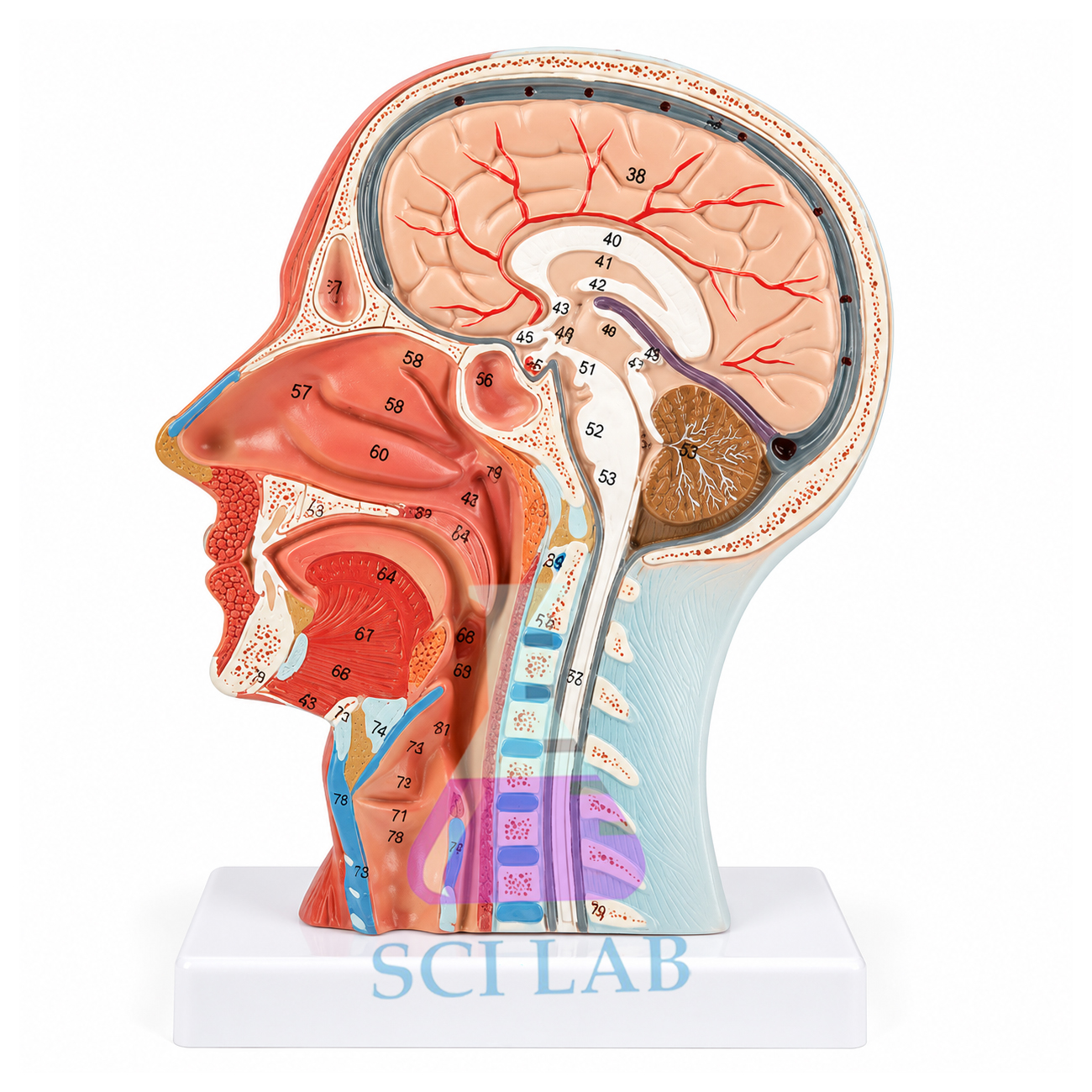
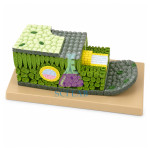
The Human Head Cross-Section Model is a three-dimensional median section of the human head, made of light PVC with non-toxic dyes, 250 x 350 mm and fixed to a plastic base. Permanently marked numbers, matched to one printed English key, identify the brain, nasal cavity, mouth and tongue, pharynx, larynx and upper neck region. The section also shows the brain and its blood vessels.
Specifications of the Head Section Model
| Specification | Value |
|---|---|
| Section | Median (midline) section of the human head |
| Shows | Brain, nasal cavity, mouth and tongue, pharynx, larynx and upper cervical region; brain structure and blood vessels |
| Labelling | Permanently marked numbers with one printed English reference key |
| Material | PVC with non-toxic dyes, light in weight |
| Size | 250 x 350 mm |
| Mounting | Fixed on a plastic base |
| Supplied by | Science Lab Supplies, Ambala, India |
Head and Brain Anatomy Lessons with the Head Section
The model stands on its base on the bench. Students find each number on the section and name the structure from the printed key, starting with the main brain regions, then follow the blood vessels that supply them.
- Brain regions (Class 10 and 11): cerebrum, cerebellum and brain stem, and the job of each.
- Blood supply: trace the vessels on the section, then compare the arteries at the base of the brain on the Human Brain Model with Arteries, PVC, 8 Parts.
- Air and food passages: follow air and food through the nasal cavity, mouth, pharynx and larynx on the section, then see the same route in the neck on the Human Head and Neck Model.
Common errors: mixing up the cerebrum and cerebellum, and calling the pharynx the larynx.
Frequently Asked Questions
Does the head section show blood vessels?
Yes. The model shows both the structure of the brain and its blood vessels, so one model serves lessons on the brain and on its blood supply. Numbers on the section, matched to a printed English key, also mark the nasal cavity, mouth and tongue, pharynx, larynx and upper neck region.
How should a coloured PVC head section be cleaned and stored?
Dust it, or wipe it with a soft cloth dampened in mild soapy water, then dry it. Solvents, alcohol and scouring cleaners can lift the colour and dull the PVC. Keep it on its base in a closed cupboard away from heaters and direct sun, which can fade the colours or soften the plastic.
Why does the brain need a steady blood supply?
Nerve cells use energy all the time, and they make it by respiring glucose with oxygen. Brain tissue holds almost no stored glucose and cannot switch to fat as a fuel, so it depends on the blood minute by minute. If the supply stops, brain cells soon stop working, as happens in a stroke.
What are the three parts of the pharynx?
The nasopharynx behind the nasal cavity, the oropharynx behind the mouth, and the laryngopharynx, which leads down to the larynx and the oesophagus. Air and food share the lower two parts.
What separates the nasal cavity from the mouth?
The palate. Its front part, the hard palate, is bone covered with mucous membrane. The back part, the soft palate, is muscle and rises during swallowing to close off the nasopharynx.
Related Head and Brain Models
- Median Section of the Head Model: head section showing the relevant structures in detail, 19 x 18 x 6 cm.
- Head and Neck Model, Horizontal Section: PVC mould, 19.5 x 16.5 x 24 cm.
- Human Brain Model in Head: head with the brain divided into parts, numbered with a key card.
- Human Brain Model, Midsagittal Section, 5 Parts: cast of a real human brain in two separate hemispheres, with detachable components.
- Human Brain Model, 4 Parts: life-size brain divided medially into 4 parts, on a base with a key card.
Head, brain and neck sections are found in the Head and Facial Model range; the Biology Lab Equipment page shows the full series.
Science Lab Supplies is set up to export head section models to Tanzania, Uganda, the UAE, Saudi Arabia, Oman and the Philippines, holding an Importer-Exporter Code for that purpose. Use the contact page or the enquiry cart when a quotation for the head model is needed.
Last updated: 19 November 2026


.jpg)