
Ph Sensor
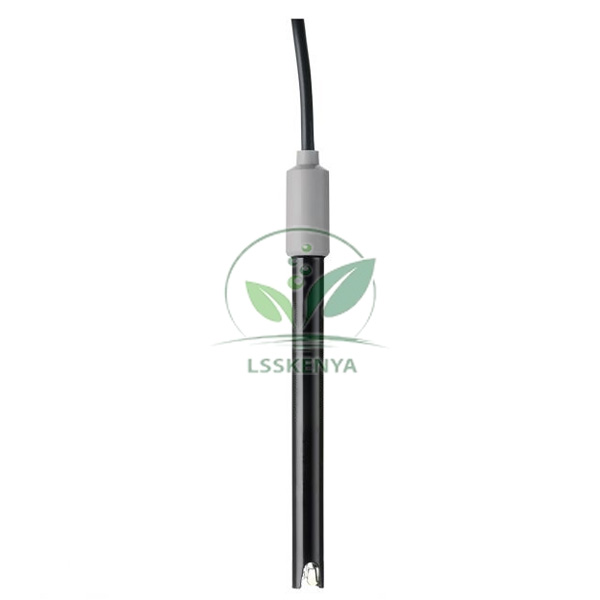
Product Code : LSK-CL-10270
Ph Sensor (SKU LSK-CL-10270) is a low-maintenance 3-in-1 plastic pH electrode with an integrated temperature sensor and a BNC connection. It is intended for field use and for samples whose temperature fluctuates, such as water taken outdoors or solutions cooling after a reaction. Chemistry, biology and environmental science labs in schools and colleges use it with a pH meter. Science Lab Supplies, a chemistry lab instruments supplier, dispatches it from Ambala, India, to schools, colleges, training institutes, tender contractors and distributors.
Specifications
The sensor combines pH measurement and a built-in temperature sensor in one plastic-bodied electrode, which is sturdier than an all-glass probe for handling outside the lab. It connects to a meter through a standard BNC plug, the connector type used on many bench and portable pH meters.
| Parameter | Value |
|---|---|
| SKU | LSK-CL-10270 |
| Type | 3-in-1 pH electrode |
| Body | Plastic |
| Temperature sensor | Integrated |
| Connector | BNC |
| Maintenance | Low maintenance |
| Supplied by | Science Lab Supplies, Ambala, India |
Applications and Experiments for the pH Sensor
The electrode measures how acidic or alkaline a sample is when connected to a pH meter. Because it also senses temperature, it suits readings where the sample is not at room temperature, which makes it useful for fieldwork, environmental surveys and practicals where solutions are warmed or cooled.
- NCERT Class 10 science: measuring the pH of acids, bases, soil and everyday substances.
- Class 11–12 chemistry: following pH during acid–base titrations and studying buffers.
- Environmental science and B.Sc. fieldwork: testing river, pond and tap water on site.
Keep the tip moist and rinse it with distilled water between samples; calibrate the meter with buffer solutions before each session.
Standard Scope of Supply
The Ph Sensor is supplied as a single electrode with its integrated temperature sensor and BNC connection, as described above. A pH meter, calibration buffers and storage solution are separate items; any optional accessories are listed on the quotation.
Packing, MOQ and Lead Time
Order one sensor as a replacement or several to equip a class set of meters. We quote the packing, delivery time and price for the number you need, and a compatible meter or buffer solutions can be included on the same quotation.
Holding an Importer-Exporter Code, Science Lab Supplies is a registered exporter that can ship to buyers in Malaysia, Peru, Egypt, Iraq, Nigeria and Kenya. For prices, use the contact page or place the sensor in the enquiry cart; schools and ministries buying by tender can go to the lab tender page.
Frequently Asked Questions
Will this sensor work with my pH meter?
It uses a BNC connection, so it suits meters with a BNC electrode input. For the temperature function, share your meter model through the contact page and we will confirm the match.
What does 3-in-1 mean?
It means the functions normally split across separate probes are combined in one body, including the integrated temperature sensor, so a single electrode goes into the sample.
Who supplies the pH Sensor?
Science Lab Supplies supplies this electrode from Ambala, India, to institutions, contractors and distributors, and can quote it with meters and buffers.
Why choose a plastic-bodied electrode?
A plastic body is less likely to break than glass when carried outdoors or handled by students, which is why this sensor is aimed at field use.
Related pH Measurement Equipment
A sensor needs a meter to read it. These items cover bench and hand-held pH measurement in the same range, including a bench meter with a BNC input that takes a separate electrode, so a complete pH station can be quoted in one go.
- Bench pH Meter — BNC-input bench meter sold without electrode.
- Bench Digital pH Meter — another bench option.
- pH Meter — general-purpose meter for the chemistry lab.
- pH Pocket Tester — all-in-one pocket meter for quick checks.
Browse the full Chemistry Lab range or all school lab equipment.
Last updated: 25 September 2026


250ml.jpg)
.jpg)

