Hour Glass
Product Code : SCL-CL-11531
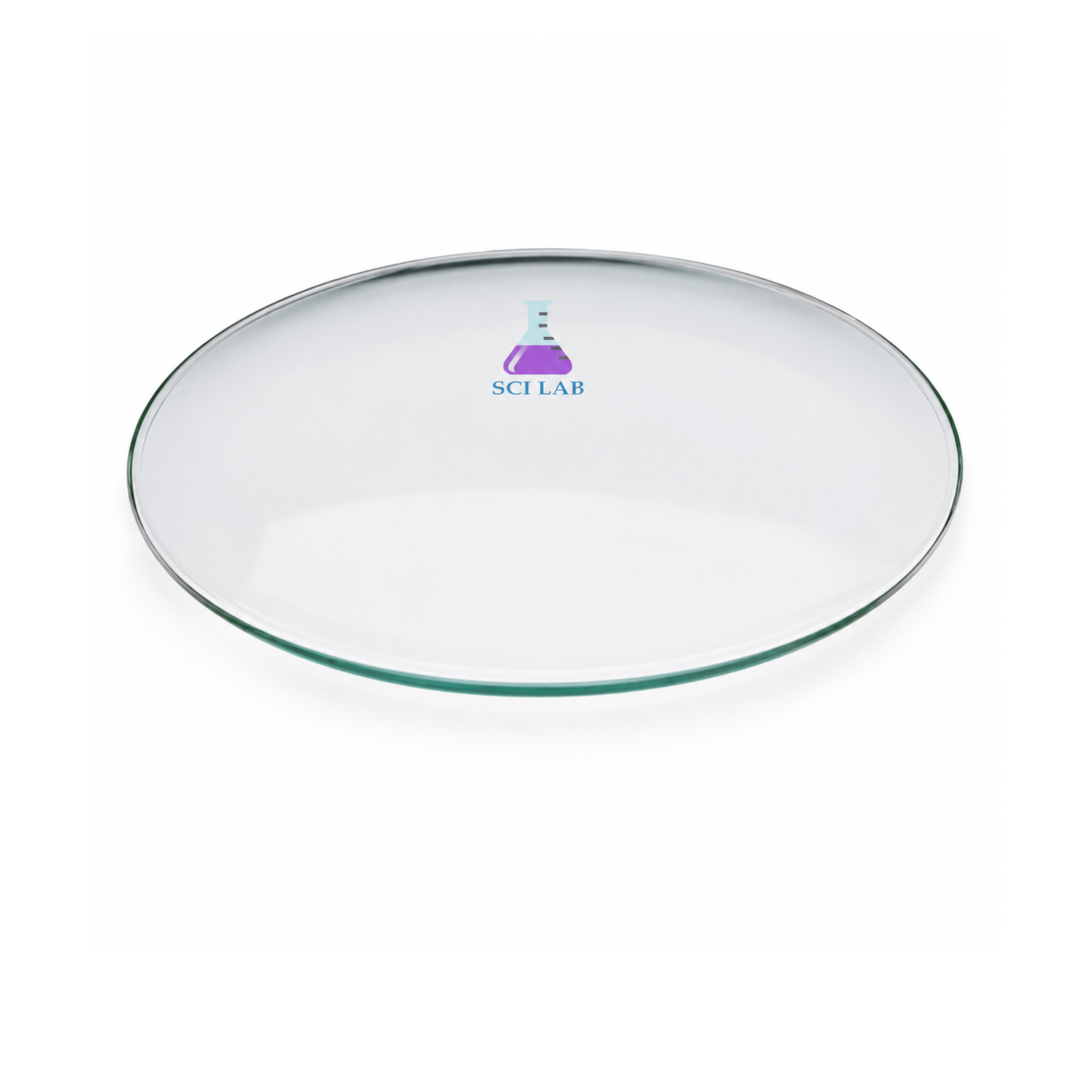
Hour Glass (SKU SCL-CL-11531) is, as its description shows, a laboratory watch glass: a shallow, round glass dish offered in 45 mm, 60 mm and 70 mm diameters. Chemistry students use it to cover beakers, evaporate small volumes of solution, grow crystals and hold solids for weighing. Science Lab Supplies supplies these watch glasses from Ambala, India to schools, colleges, training institutes, tender contractors and distributors.
Specifications
Each piece is a curved glass disc with a glazed, smooth finish that gives clear vision of the contents and wipes clean easily. Three diameters are listed, 45, 60 and 70 mm, so the glass can be matched to the beaker or funnel it covers. The listing also notes its durability for routine bench use.
| Parameter | Value |
|---|---|
| SKU | SCL-CL-11531 |
| Item described | Glass watch glass |
| Material | Glass |
| Diameters | 45 mm, 60 mm, 70 mm |
| Finish | Glazed, smooth, clear |
| Supplied by | Science Lab Supplies, Ambala, India |
Applications and Experiments for the Hour Glass (Watch Glass)
A watch glass is one of the most used small items on a chemistry bench. It covers a beaker to keep out dust and reduce splashing, lets a few drops of solution evaporate to leave crystals, and holds a solid while it is weighed or examined. It appears in school, college and technician-level practical work.
- Class 6–9 science: evaporating salt solution to recover crystals when separating mixtures.
- Class 11–12 chemistry: weighing solids for solution preparation and covering beakers during heating.
- B.Sc. chemistry: drying small crystal samples and observing crystal shapes.
- Laboratory technician training: correct use of small glassware for weighing and evaporation.
Standard Scope of Supply
The item is supplied as a glass watch glass in the diameter you choose from 45, 60 or 70 mm; state the diameters and the number of pieces for each on your enquiry and they will appear line by line on the quotation. No other accessories are included.
Packing, MOQ and Lead Time
Quotations cover anything from a few watch glasses to a mixed-size set for every bench. For the diameters and quantities you list, Science Lab Supplies gives the packing, delivery time and price, and beakers, crystallizers or other school chemistry lab equipment in India can be added to the same quotation.
As a registered exporter with an Importer-Exporter Code, Science Lab Supplies can ship to buyers in Ethiopia, Tanzania, Uganda, the UAE, Saudi Arabia and Oman. For prices and availability, use the contact page or the enquiry cart; the lab tender page explains how we handle tender enquiries.
Frequently Asked Questions
Is this product a sand timer?
No. Although it is listed as Hour Glass, the description is of a glass watch glass for the chemistry laboratory, a shallow dish in 45, 60 or 70 mm diameter.
Which diameter should I order?
Choose a diameter slightly larger than the mouth of the beaker you want to cover. Many laboratories keep a mix of 45, 60 and 70 mm glasses for evaporation, weighing and covering.
Does Science Lab Supplies supply watch glasses in bulk?
Yes. Science Lab Supplies supplies them from Ambala, India, and quotes schools, colleges and contractors for single pieces or full laboratory quantities in each size.
Can a watch glass be heated?
It is used for gentle evaporation and for covering warm beakers. Avoid direct strong flame and sudden temperature changes, and handle hot glass with tongs.
Related Evaporation and Weighing Glassware
Watch glasses work alongside other shallow dishes and weighing vessels in separation, crystallisation and weighing practicals. The four items below cover larger crystallising dishes, Petri dishes, porcelain evaporating dishes and closed weighing bottles.
- Crystallizers — larger dishes for growing crystals from solution.
- Petri Dish (Set) — shallow covered dishes for samples and observations.
- Porcelain Capsule — porcelain dish for evaporation over a flame.
- Weighing Bottles — closed vessels for weighing solids.
Browse the full Chemistry Lab range or all school lab equipment.
Last updated: 25 September 2026
.jpg)
.jpg)