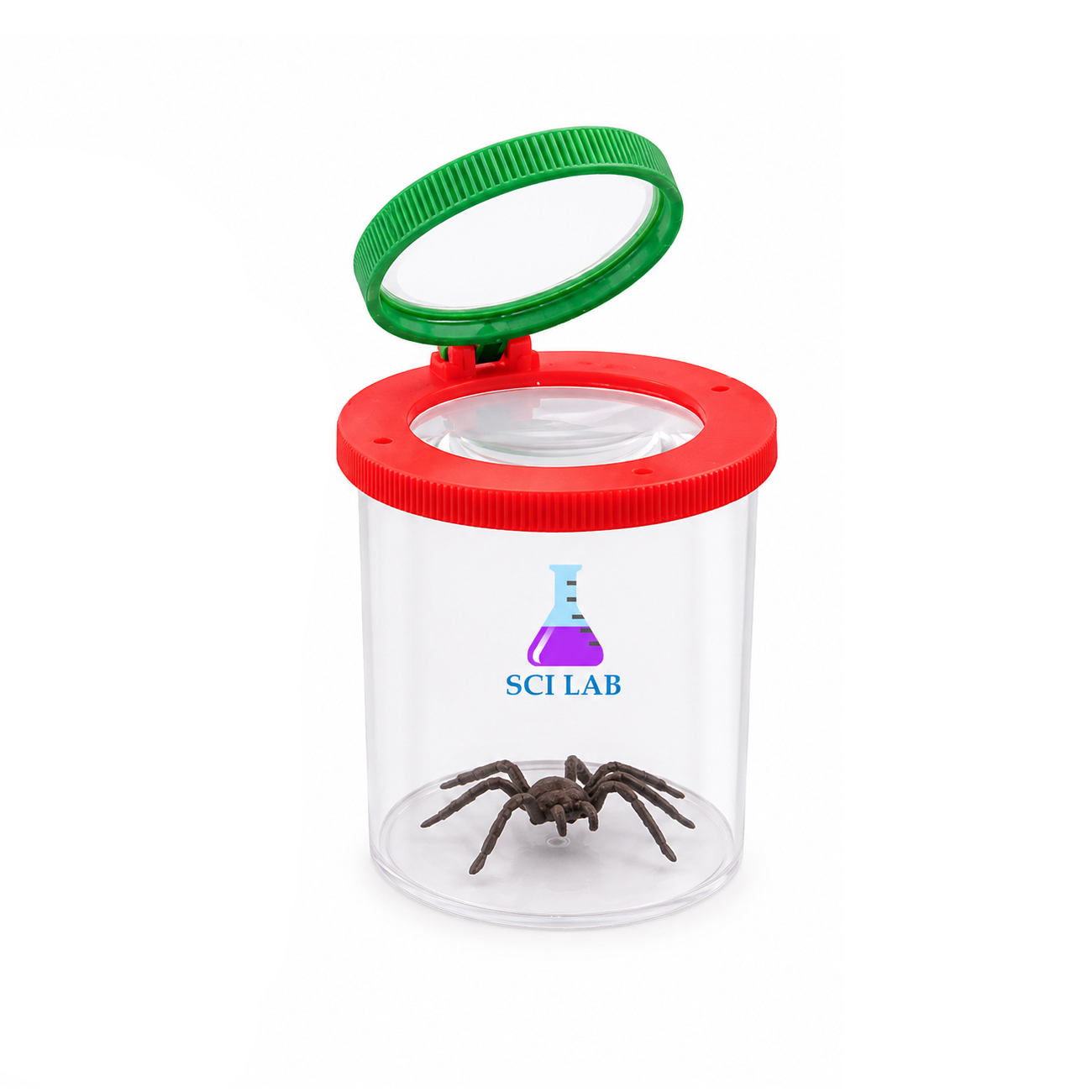
Insect Observation Container with 6x Magnifying Lid
Product Code : SCL-BLE-11647
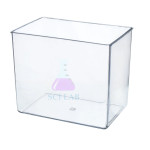
This clear plastic bug container has a rigid moulded lid with one fixed 6X lens of optical-grade acrylic, not a zoom, for short top-down looks at live insects, ants and other small finds. It measures about 190 x 130 x 130 mm, and three small holes let air in while an animal is inside.
Specifications of the Magnifying Bug Container
| Specification | Value |
|---|---|
| Container | Clear plastic, about 190 x 130 x 130 mm |
| Lid | Rigid moulded lid, one fixed 6X lens for viewing from the top |
| Lens | Optical-grade acrylic |
| Ventilation | Three small air holes |
| Uses | Bugs, ants, butterflies, sand, sea shells and small animals from under rocks |
| Supplied by | Science Lab Supplies, Ambala, India |
Bug Hunts with the Magnifying Container
Children search under stones, logs and leaf litter, coax a small animal into the container and close the lid. Looking down through the 6X lens in the lid, they watch how it walks, feeds and cleans itself, then talk about what they saw.
- Habitat survey (primary classes): compare animals found under stones with those found on leaves.
- Catching: sweep long grass with the 24 cm Insect Collecting Net and transfer the catch straight into the container.
- Beach and sand: pick up sand grains, small shells and seeds with Plastic Tweezers and compare their shapes under the lid.
Keep the container in shade and handle stinging insects only under adult supervision.
Frequently Asked Questions
Which items are usually ordered with the bug container?
Schools often add insect nets for catching, soft brushes and tweezers for moving animals and small objects, hand magnifiers and simple identification charts, so each group has a full bug-hunt set.
Is the container big enough for butterflies?
At about 190 x 130 x 130 mm it holds a butterfly with folded wings for a short look, as well as beetles, snails and ants. Release butterflies quickly, as wing scales rub off when they flutter against the sides.
How long can an insect stay in the container?
Only for a short observation, kept in shade. The three air holes give ventilation, but the container offers no proper food or shelter for a long stay, so let the animal go after the lesson.
What should be put inside with a live insect?
For the few minutes of a lesson, add a leaf or twig from where it was found and, for snails or woodlice, a piece of damp tissue. Avoid pools of water, which can drown small animals.
How should children move an insect into the container?
Let it walk onto a leaf or a soft brush and tip it in, rather than picking it up. Leave bees, wasps, biting ants and hairy caterpillars to the teacher, as some sting or cause skin rashes.
Related Bug Viewers and Magnifiers
- Insect Observation Magnifier with 2x and 4x Acrylic Lenses: ABS pot, 70 mm across and 70 mm high inside, with 2X and 4X acrylic lenses.
- Hand Magnifier, 2x, 50 mm Lens, Plastic Handle: 2X lens 50 mm across, 140 mm long overall, with a plastic handle.
- Plastic Handheld Magnifier: clear plastic 3X magnifier, about 38 mm across.
- Insect Collecting Net, 12-inch Iron Ring, 30-inch Wooden Handle: a 31 in (about 79 cm) deep net on the iron ring.
- Dusting Brush: very soft fibres in a retractable case.
Explore the Biology Lab Equipment range for more nature-study items, or the General Biology Products range.
This container is available for export to the Philippines, Nepal, Bangladesh, Zambia, Rwanda and South Africa through Science Lab Supplies and its Importer-Exporter Code. Add the container to the enquiry cart or send a note via the contact page for a quotation.
Last updated: 19 November 2026