pH Meter, Handheld 0-14 with ATC
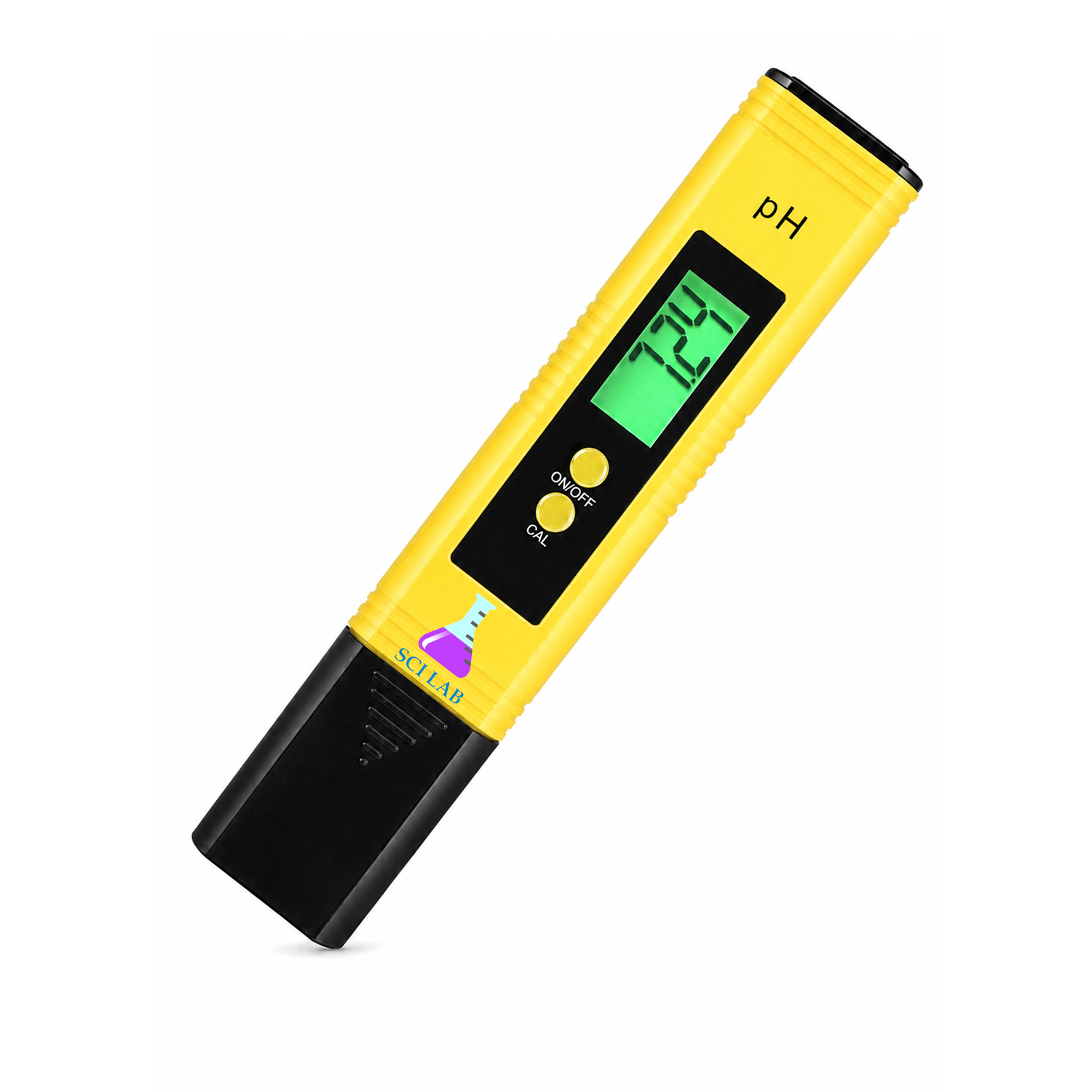
Product Code : SCL-CL-11927
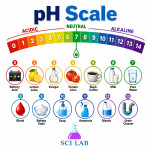
The pH Meter is a lightweight handheld meter that measures how acidic or basic a liquid is on the 0 to 14 pH scale. Automatic temperature compensation corrects each reading for the sample temperature, and the clear display shows the result quickly at the bench or out in the field.
Specifications of the pH Meter
| Specification | Value |
|---|---|
| pH range | 0 to 14 |
| Temperature compensation | Automatic (ATC) |
| Design | Lightweight, handheld |
| Display | Easy-to-read display |
| Supplied by | Science Lab Supplies, Ambala, India |
pH Practicals with the Handheld Meter
Rinse the electrode with distilled water, calibrate against buffer solutions, then dip it in the sample and stir gently. Wait for the reading to settle, record it and rinse again before the next sample.
- Acids, bases and salts: compare the pH of vinegar, soap solution and salt water, and check each against Universal pH Indicator Paper.
- Neutralisation: add alkali in small portions to acid in a 250 ml Glass Beaker, reading the pH after each addition and plotting the curve.
- Water testing: measure the pH of tap, rain and pond water and of a soil-water extract.
Frequently Asked Questions
Why is the meter slow to settle on a reading?
A dirty or dried-out electrode responds slowly. Clean it to suit the kind of dirt, soak the bulb in storage solution for a while, and stir the sample gently so fresh liquid keeps reaching the glass.
What are the white crystals on the electrode?
They are usually dried salt left when solution evaporates from the electrode. Rinse them off with distilled water before use. If the electrode has dried out, a short soak in storage solution brings back a normal response.
Why does distilled water not read pH 7?
Pure water takes up carbon dioxide from the air and turns slightly acidic. It also has very few ions, so readings in it wander. This is normal and does not mean a fault.
How do I clean off oil or milk residue?
Rinse it soon after use with warm water and a drop of mild detergent, then rinse well with distilled water. Greasy or protein films left to dry coat the glass bulb and slow the response. Check the readings in a buffer after cleaning.
How can students avoid breaking the glass bulb?
Never use the electrode to stir, keep it clear of the bottom and sides of the beaker, and never leave it lying loose on the bench. The bulb is thin glass and cracks if it is knocked, dropped or pressed against a hard surface.
Related pH Testing Items
- Bench Digital pH Meter: bench meter reading pH 0.00 to 14.00 and ORP, with automatic or manual temperature compensation.
- pH Pocket Tester: waterproof pocket tester with pH and °C dual display and replaceable electrode.
- pH Meter: pen-style meter, pH 0 to 14.0 with 0.1 pH resolution.
- Blue Litmus Paper: blue litmus paper that turns red in acids and stays blue in bases.
- Red Litmus Paper: red litmus paper that turns blue in bases and stays red in acids.
More pH meters, papers and indicators are listed in the Chemistry Lab range under School Lab Equipments.
Science Lab Supplies holds an Importer-Exporter Code and can ship meters to Ethiopia, Tanzania, Uganda, the UAE, Saudi Arabia and Oman. Get a quotation by writing through the contact page or by adding the meter to the enquiry cart.
Last updated: 15 November 2026