Electrolysis Kit
Product Code : LSK-CL-10248
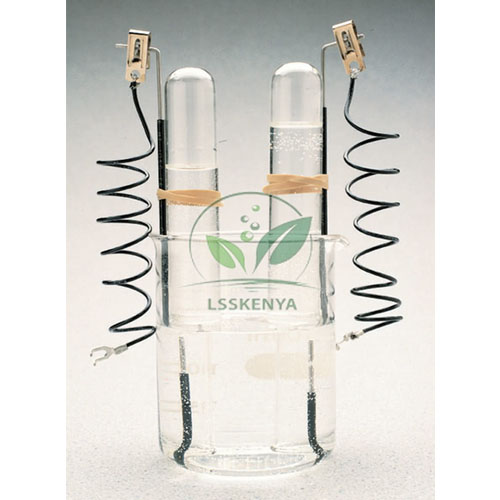
The Electrolysis Kit breaks water down into hydrogen and oxygen to confirm what water is made of. It has two heavily insulated stainless steel electrodes, two leads with extra-large clips and two rubber gaskets that seal the filled test tubes while they are inverted into a beaker.
Specifications of the Electrolysis Kit
| Specification | Value |
|---|---|
| Electrodes | 2 stainless steel, heavily insulated |
| Leads | 2 connection leads with extra-large clips |
| Seals | 2 rubber gaskets for the filled test tubes |
| Glassware | Not included |
| Supplied by | Science Lab Supplies, Ambala, India |
Water Electrolysis with the Kit
Half fill a beaker with electrolyte and stand the electrodes in it. Fill two test tubes to the brim, seal each with a gasket, invert them under the liquid and slide them over the electrodes. Connect the clips to a low-voltage DC supply and watch the gas collect.
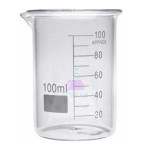
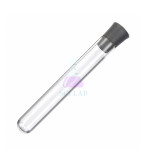
- Composition of water (Class 7–10): use a Glass Beaker and two tubes from the Test Tubes pack, then compare the volumes of gas collected.
- Gas tests: test the hydrogen with a lit splint and the oxygen with a glowing splint from the Wood Splints pack.
- Effect of the electrolyte: compare tap water with water containing a little Sodium Sulphate and note how fast gas forms.
Precautions: do not use salt (sodium chloride) solution, which gives chlorine gas. Wear eye protection and keep flames away until the gas test.
Frequently Asked Questions
What are the rubber gaskets for?
Each gasket seals the mouth of a filled test tube. This lets you turn the tube upside down and lower it into the beaker without losing the water or letting air in.
What power source does the kit need?
A low-voltage DC source, such as a battery or a laboratory power supply, connected through the clip leads. Direct current is needed so that each electrode always gives the same gas.
Why is plain water slow to give gas?
Pure water contains very few ions, so little current flows. Dissolving a small amount of sodium sulphate adds ions and speeds up gas formation without changing the gases produced.
Which tube should collect twice as much gas?
The tube over the negative electrode collects hydrogen. Water has two hydrogen atoms for each oxygen atom, so the hydrogen volume should be about double the oxygen volume.
Is any glassware supplied?
No. The kit has the electrodes, leads and gaskets only. Add a beaker and two test tubes that fit the gaskets.
Related Water Electrolysis Apparatus
- Hoffman Voltameter With Electrodes: two 50 ml graduated limbs with carbon and platinum electrodes.
- Electrolysis Cells: gases collected in two 75 x 10 mm test tubes; crocodile clips make the contact.
- Voltameter: platinum electrodes on a base with two 10 ml graduated test tubes.
- Electrolysis Apparatus: removable titanium electrodes in a rubber stopper and two 18 x 180 mm graduated test tubes.
- Apparatus for the Electrolysis of Salts: U glass tube, 15 mm diameter, with 60 mm graphite electrodes.
Browse the Chemistry Lab range or the wider school lab equipment section.
Science Lab Supplies holds an Importer-Exporter Code and can ship to buyers in Malaysia, Peru, Egypt, Iraq, Nigeria and Kenya. To ask for a quotation, use the contact page or the enquiry cart.
Last updated: 15 November 2026