Electrode Rod Carbon Voltameter
Product Code : LSK-CL-10057
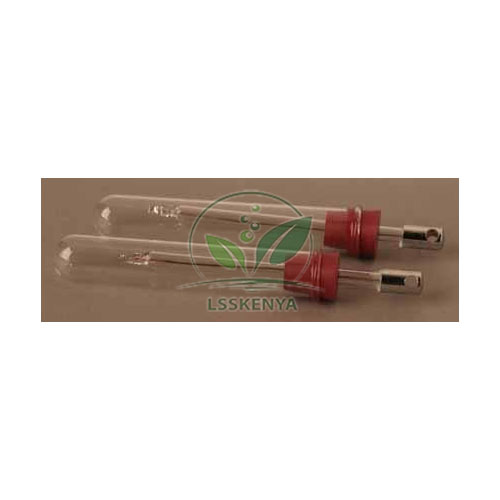
Electrode Rod Carbon Voltameter (SKU LSK-CL-10057) is a 100 x 10 mm carbon rod held in a glass tube with a terminal, made to serve as an inert electrode in a voltameter. The glass sheath insulates the rod where it passes into the apparatus, leaving the carbon exposed where electrolysis takes place. It is used in electrolysis experiments in school and college chemistry and physics. Institutions can source it from Science Lab Supplies in Ambala, India, which serves schools, colleges, training institutes, tender contractors and distributors.
Specifications
The electrode is a carbon rod of 100 x 10 mm mounted in a glass tube and fitted with a terminal for a connecting lead. Carbon does not dissolve in most electrolytes, so the rod suits voltameters in which gases are collected and measured at each electrode.
| Parameter | Value |
|---|---|
| SKU | LSK-CL-10057 |
| Electrode material | Carbon |
| Rod size | 100 x 10 mm |
| Mounting | Carbon rod in glass tube |
| Terminal | Yes |
| Use | Voltameters and electrochemistry experiments |
| Supplied by | Science Lab Supplies, Ambala, India |
Applications and Experiments for the Carbon Voltameter Electrode
In a voltameter, two inert electrodes pass current through an electrolyte and the gases or deposits formed are measured. The glass-sheathed carbon rod provides one of these electrodes, letting students relate the charge passed to the amount of product and compare the volumes of gas at anode and cathode.
- Class 10 science: electrolysis of acidified water and the 2:1 hydrogen-to-oxygen volume ratio.
- Class 12 chemistry: Faraday's laws of electrolysis.
- B.Sc. physics and chemistry: electrochemical equivalent from gas volume or deposit.
- Electrolysis of brine to show chlorine at a carbon anode, in a fume cupboard.
Glass is fragile: fit the electrode gently and check the tube for cracks. Acid electrolytes are corrosive and chlorine is toxic, so run these experiments under supervision.
Standard Scope of Supply
Each unit is a single carbon rod, 100 x 10 mm, fitted in its glass tube with a terminal. The voltameter body, power supply and electrolyte are separate items; order two electrodes if your voltameter needs a matching pair.
Packing, MOQ and Lead Time
Single replacement electrodes or pairs for several voltameters can be quoted. Every quotation sets out packing, delivery time and price for the quantity you request, and voltameters, power supplies or other school chemistry lab equipment in India can be listed on it.
Science Lab Supplies has an Importer-Exporter Code and can ship to buyers in Ethiopia, Tanzania, Uganda, the UAE, Saudi Arabia and Oman. A quote can be requested on the contact page or via the enquiry cart, while the lab tender page covers tender-based supply.
Frequently Asked Questions
Why is the carbon rod set in a glass tube?
The glass tube insulates and supports the rod where it enters the voltameter, so current flows only through the exposed carbon in the electrolyte.
How does this differ from the plain carbon electrode rod?
Both use a 100 x 10 mm rod, but this version is mounted in a glass tube for voltameter use, while the plain rod has only a terminal.
Who supplies the Electrode Rod Carbon Voltameter?
Science Lab Supplies supplies this electrode from Ambala, India, as a spare or together with voltameters and other electrolysis apparatus.
Will it fit my existing voltameter?
Send the make or dimensions of your voltameter through the contact page and fit will be confirmed before quoting.
Related Voltameters and Electrodes
These four items go with the carbon voltameter electrode: two voltameters it can serve, the plain rod range and a platinum alternative for the same experiments.
- Voltameter — apparatus for electrolysis and gas collection.
- Hoffman Voltameter With Electrodes — measures gas volumes from water electrolysis.
- Electrode Rod — plain 100 x 10 mm rods in five materials.
- Electrode Rod Platinum — platinum inert electrode.
Browse the full Chemistry Lab range or all school lab equipment.
Last updated: 25 September 2026
.jpg)