Equilibrium Shifts Kit
Product Code : LSK-CL-10064
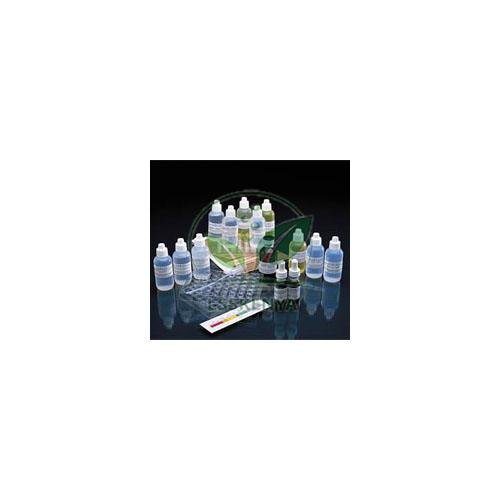
The Equilibrium Shifts Kit lets students explore how chemical equilibrium shifts in six systems: acetic acid/sodium acetate, benzoic acid/sodium benzoate, ammonium hydroxide, iron(III) thiocyanate, chromate/dichromate and silver acetate. Students predict each result from theory, then test it. Worksheets and a teacher's manual are included.
Specifications of the Equilibrium Shifts Kit
| Specification | Value |
|---|---|
| Acid–salt systems | Acetic acid/sodium acetate; benzoic acid/sodium benzoate |
| Base system | Ammonium hydroxide |
| Coloured systems | Iron(III) thiocyanate; chromate/dichromate |
| Solubility system | Silver acetate |
| Method | Students predict results from chemical theory, then test them experimentally |
| Included | Worksheets and teacher's manual |
| Supplied by | Science Lab Supplies, Ambala, India |
Equilibrium Practicals with the Kit
For each system, students write the equilibrium equation, predict which way it will shift when a reagent is added, then add it drop by drop and record what they see.
- Chromate/dichromate: add acid, then base, from a Dropper Bottle 10 ml and watch the colour move between yellow and orange.
- Iron(III) thiocyanate: add more of one ion and compare the depth of red colour with an untouched control tube.
- Acetate and benzoate systems: add the sodium salt to the weak acid and follow the pH change with Universal Ph Indicator paper.
- Silver acetate: add a common ion and look for a precipitate as the solubility equilibrium shifts.
Common errors: having no control tube to compare colours, and adding so much reagent that dilution hides the shift.
Frequently Asked Questions
Do school chemical rules restrict the chromate salts in this kit?
They can. Chromium(VI) compounds such as chromates and dichromates are toxic, and some school safety guides list them for removal or allow them only where no alternative exists. An importer should check the national school-chemical list and the safety data sheets before ordering.
Why do students predict the result before testing?
Writing a prediction from theory first turns each test into a check of a hypothesis. When the result does not match, students must explain why, which builds real understanding of equilibrium.
What colour change shows the chromate/dichromate shift?
Adding acid moves the equilibrium towards orange dichromate. Adding base removes hydrogen ions and moves it back towards yellow chromate. The change reverses each time.
How does sodium acetate affect acetic acid?
Acetate is a common ion. Adding it pushes the acetic acid equilibrium back towards un-ionised acid, so fewer hydrogen ions remain and the pH rises.
Why does a precipitate appear in the silver acetate test?
Silver acetate is only slightly soluble. Adding more silver or acetate ions pushes the solubility equilibrium towards the solid, so some silver acetate comes out of solution.
How should the kit chemicals be stored at the school?
Group them by hazard so that nothing that reacts dangerously sits together: the acids away from ammonium hydroxide, and the chromate compounds in a closed cabinet with other toxic chemicals. Write the arrival date on each bottle and use the oldest stock first.
Related Equilibrium Kits and Charts
- Le Chatelier's Principle Kit: students encourage one of two simultaneous reactions and watch the equilibrium change.
- Hydrolysis of Salts Kit: each student tests salt solutions for relative pH.
- Constants of Ionic Equilibria: laminated wall chart, 70 cm x 100 cm.
- Solubility Product: laminated wall chart, 70 cm x 100 cm.
- Glass Dropping Bottle with Colourless Dropper, 60 ml: 60 ml glass bottle with a colourless dropper.
Equilibrium kits and wall charts sit together in the Chemistry Lab range, inside School Lab Equipments.
Science Lab Supplies holds an Importer-Exporter Code and can ship to schools in Nepal, Bangladesh, Zambia, Rwanda, South Africa and Qatar. For a quotation, write to Science Lab Supplies through the contact page or use the enquiry cart.
Last updated: 15 November 2026